


Extension Cord Reels
Tangle-free for all your outdoor power needs

Retractable Extension Cord Reel
Application
Suitable for Various Life-Use Scenarios
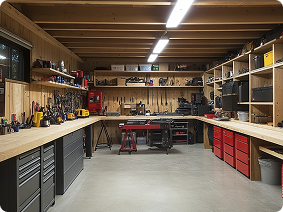
Tool Power in the Garage or Workshop
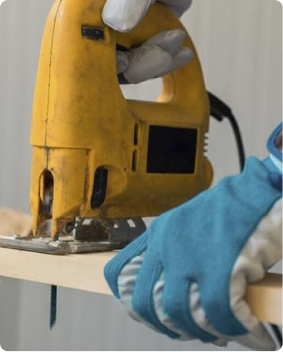
Mobile Job‑Site Setup

RV, Camping & Tailgating Power
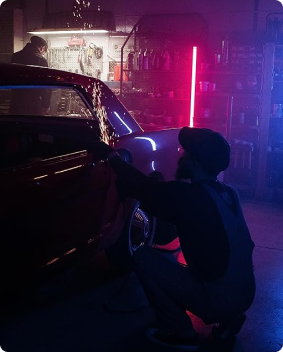
Event & Holiday Lighting

Glahoden 100 ft vs. 130 ft Hose Reel: Which Is Right for You?
The Wacotoya Retractable Garden Hose Reel comes in two lengths: 100 feet and 130 feet. Both share the same upgraded components --- the special-steel spring, all-metal bracket, 9-pattern nozzle, and weather-resistant shell. The difference comes down to reach, weight, cost, and how each length fits your specific property. This comparison will help you decide which model is the better investment for your garden. Shared Features: What Both Models Include Before comparing the differences, here is what you get with either Wacotoya model: Hose diameter: 5/8 inch (delivers up to 20% more flow than typical retractable reels) Hose construction: 3-layer PVC, tested to 200 PSI working pressure and 600 PSI burst pressure Spring: Extra-thick special steel, rated for 10,000+ retraction cycles Bracket: All-metal aluminum alloy, rated for 220-pound support, 180-degree swivel Nozzle: Aluminum-alloy body, 9 spray patterns, soft rubber coating, leak-resistant Shell: UV-resistant and freeze-resistant PP housing Locking system: Any-length lock Retraction: Slow-return system with self-aligning guide and anti-collision ring Leader hose: 6.6 ft with brass connector The only differences are the hose length, overall weight, coverage area, and price. Side-by-Side Comparison Specification 100 ft Model 130 ft Model Hose length 100 ft (30.5 m) 130 ft (39.6 m) Hose diameter 5/8 inch 5/8 inch Approximate coverage area Up to 15,700 sq ft Up to 26,500 sq ft Product weight 28.66 lbs (13 kg) Heavier (longer hose) Best for Small to medium yards Large properties Retraction load Moderate Higher (upgraded spring handles it) Price Lower Higher Winter storage Easier to carry and store Heavier to remove and store When the 100 ft Model Is the Right Choice The 100-foot model is the better choice for most standard suburban properties. Here is when it makes the most sense: Your farthest watering point is within 85-90 feet Remember that the hose must travel along the ground, not in a straight line. If the actual walking distance from the mounting point to your farthest garden zone is 85 feet or less, the 100-foot model gives you comfortable reach with margin to spare. You have a standard suburban lot A typical 1/4-acre suburban lot can usually be fully covered from a well-placed mounting point with 100 feet of hose. The 180-degree swivel bracket helps maximize reach from a central location. You want easier handling The 100-foot model is lighter, which makes it easier to remove from the bracket for winter storage and easier to handle during installation. If you plan to remove the reel each winter, the lighter weight is a practical advantage. You are cost-conscious The 100-foot model costs less while providing the same quality components. If the shorter length covers your needs, there is no reason to pay for extra hose you will not use. When the 130 ft Model Is the Right Choice The 130-foot model is designed for larger properties and more complex layouts. Here is when it is worth the investment: Your farthest watering point is 90-120 feet away If you need to reach a back garden that is around the side of the house, or a detached vegetable garden at the far end of your property, the extra 30 feet can make the difference between reaching comfortably and falling short. You have a large or multi-zone property Properties of 1/2 acre or more, or properties with watering zones on multiple sides of the house, benefit from the extended reach. With the 130-foot model, you can often cover front beds, side yard, back garden, and patio from a single mounting point. You water a vegetable garden and lawn from one location Serious gardeners who maintain both a lawn and a productive vegetable garden often need long reach to cover both areas. The 130-foot model with its 5/8-inch hose delivers enough flow to run a sprinkler at distance while still providing strong spray for hand watering. You want to avoid buying a second reel Two 100-foot reels at different faucets cost more than one 130-foot reel. If a single 130-foot reel can cover your entire property from one well-chosen mounting point, it is more economical than installing a second reel. How the Extra Length Affects Performance A common concern is whether the 130-foot hose reduces water pressure or retraction performance compared to the 100-foot model. Water flow The Wacotoya 5/8-inch hose and optimized internal structure are designed to maintain steady flow across both lengths. While all hoses experience some pressure loss over distance, the difference between 100 and 130 feet is not significant for most residential watering tasks. Retraction The 130-foot model uses the same upgraded spring as the 100-foot model. The spring is rated for 10,000+ cycles and is designed to handle the longer, heavier hose. The slow-return system ensures controlled retraction at both lengths. Weight The 130-foot hose weighs more, especially when filled with water. This is not a problem during normal use --- the bracket is rated for 220 pounds --- but it makes the reel slightly heavier to remove for winter storage. Real-World Scenarios Scenario A: Small backyard garden Property: 1/4 acre, standard suburban lot Mounting point: Side of house, near backyard faucet Farthest zone: Back fence, 60 feet (path around shed) Recommendation: 100 ft --- plenty of reach, lighter and easier to manage Scenario B: Large property with multiple zones Property: 1/2 acre, corner lot Mounting point: Front of house near main faucet Farthest zone: Back patio, 105 feet (path around side of house) Recommendation: 130 ft --- covers both front and back without a second reel Scenario C: Townhouse with patio garden Property: Small patio, limited garden space Mounting point: Wall near patio faucet Farthest zone: End of patio, 25 feet Recommendation: 100 ft --- shortest available option, more than enough reach Frequently Asked Questions Can I upgrade from the 100 ft to the 130 ft later? The hose is pre-installed and matched to the spring. You cannot simply add 30 feet of hose to a 100-foot reel. If you find you need more reach, you would need to purchase the 130-foot model. Is the 130 ft model harder to install? Installation is identical for both models. The bracket and mounting hardware are the same. The 130-foot reel is slightly heavier to lift onto the bracket, but the process is the same. Does the 130 ft model retract slower? The retraction speed is similar for both models thanks to the slow-return system. The 130-foot model may take a few seconds longer to fully retract simply because there is more hose to wind, but the speed per foot is consistent. Choose the Length That Matches Your Garden Both Wacotoya models deliver the same quality, durability, and convenience. The right choice depends entirely on your property size and layout. Measure your watering path, compare it to the coverage area, and choose the model that gives you comfortable reach without excess. Explore the Wacotoya Retractable Garden Hose Reel in both 100-foot and 130-foot options. Suggested internal links: Wacotoya Reel | Retractable Hose Reel Collection | User Guides

Garden Hose Reel Maintenance and Cleaning Guide
Keep your retractable garden hose reel working like new with seasonal cleaning, lubrication, inspection, and maintenance tips from Glahoden. A retractable garden hose reel is a mechanical tool with moving parts, a pressurized water path, and outdoor exposure. Like any tool, it performs better and lasts longer with regular maintenance. This guide covers simple maintenance tasks you can do in 10-15 minutes per season to keep your Wacotoya reel (or any retractable hose reel) operating smoothly for years. Seasonal Maintenance Schedule Season Tasks Time Required Spring Full inspection, fitting check, nozzle descale, test retraction 15-20 min Summer Wipe hose before retracting, check for leaks 5 min biweekly Fall Drain system, clean housing, winterize 15-20 min Winter Store indoors, inspect bracket 5 min Spring Maintenance: Prepare for the Watering Season After winter storage or winter outdoor exposure, your reel needs a thorough check before daily use resumes. Step 1: Reinstall the reel (if stored indoors) Mount the reel back onto the bracket. Insert the retaining pin and confirm it is secured. Check that the 180-degree swivel moves freely. Step 2: Inspect all fittings Check the brass lead-in connector, the faucet connection, and the nozzle attachment. Look for: Cracked or flattened washers --- replace as needed. Corrosion on metal fittings --- clean with a damp cloth. Cross-threaded connections --- realign and reconnect. Step 3: Clean the spray nozzle If you did not descale the nozzle before winter storage, do it now. Soak the nozzle head in warm water and white vinegar for 15 minutes. Rinse thoroughly and test all 9 spray patterns. Step 4: Test the retraction system Pull the hose out to full length, then release the lock and guide it back. Listen for unusual sounds and watch for smooth, even winding. If the hose hesitates or stops short, check the guide opening for debris. Step 5: Check the bracket and fasteners Verify that all mounting screws are tight. If the bracket has loosened over winter, retighten to the user guide's specifications. The Wacotoya all-metal bracket should show no signs of bending or corrosion. Summer Maintenance: Keep It Working Smoothly During the active watering season, small habits prevent most problems. Wipe the hose before retracting Soil, fertilizer residue, and organic matter on the hose can build up inside the guide and housing. A quick wipe with a damp cloth before retracting takes seconds and prevents debris accumulation. Check for fitting leaks Every two weeks, turn on the water and inspect all connections. A slow drip at the faucet connection usually means the washer needs replacement. Keep the guide opening clear Check the hose guide opening for insects, cobwebs, or plant debris. A blocked guide causes the hose to wind unevenly and can damage the self-aligning mechanism. Avoid pulling at sharp angles While the Wacotoya 180-degree swivel handles directional changes well, consistently pulling the hose at the extreme edge of the swivel range creates friction. When possible, approach your watering zone from an angle that lets the hose travel naturally from the housing. Fall Maintenance: Clean Before Winterization Fall is the time to clean the entire system before draining and storing it. Clean the housing exterior Wipe the PP shell with a damp cloth and mild soap. Avoid harsh chemicals that can degrade the UV-resistant surface. Rinse with clean water and dry. Clean the hose Pull the hose to full length and wipe it down with a damp cloth. If the hose has developed a sticky residue from fertilizer or hard water, use a mild soap solution and rinse thoroughly. Inspect the hose for damage Run your hands along the full length of the hose, feeling for soft spots, cracks, or blisters. The Wacotoya 3-layer PVC hose is designed for durability, but years of sun exposure and freeze-thaw cycles can eventually cause wear. Descale the nozzle Mineral deposits from hard water can build up inside the nozzle over the summer. Soak it in vinegar solution, rinse, and store it indoors. Drain and winterize Follow the full winterization process described in our winterization guide. What Not to Do Do not open the spring housing. The spring is under tension and can cause injury. Internal repairs should only be handled by the manufacturer. Do not lubricate the spring or internal mechanism. The reel is designed to operate without user lubrication. Oil or grease can attract debris and interfere with the guide system. Do not use the hose as a pulling handle. Always carry the reel by the top handle, not by the hose. Do not leave the hose under pressure when not in use. Turn off the faucet and release pressure after each session. Do not mount the reel on non-structural surfaces. The bracket must be anchored to solid framing, masonry, or concrete. How Long Should a Retractable Hose Reel Last? With proper maintenance, a quality retractable hose reel should last 5-10 years of regular use. The Wacotoya reel is designed with: A spring rated for 10,000+ cycles (approximately 9-27 years of daily use). An all-metal bracket rated for 220 pounds. A 3-layer PVC hose tested to 200 PSI working pressure and 600 PSI burst pressure. A UV- and freeze-resistant shell. Actual lifespan depends on climate, usage frequency, maintenance quality, and winterization practices. A reel that is cleaned, drained, and stored properly each winter will significantly outlast one that is neglected. Frequently Asked Questions Can I oil the hose to make it slide easier? No. Oil on the hose will attract dirt and degrade the PVC over time. If the hose feels sticky, clean it with mild soap and water instead. How often should I replace the washers? Inspect washers each spring and fall. Replace them if they are cracked, flattened, or show signs of wear. Washers are inexpensive and prevent most fitting leaks. My reel makes a squeaking sound during retraction. What should I do? Check the guide opening for debris first. If the sound persists, it may indicate the guide roller needs cleaning. Do not open the housing or lubricate the spring. Contact Glahoden support if the sound continues. Maintenance Is Simpler Than You Think Most hose reel problems are preventable with basic seasonal care. A few minutes of cleaning, inspection, and winterization can add years to the life of your reel. Explore the Wacotoya Retractable Garden Hose Reel and review the user guides for model-specific care instructions.

Fall Lawn Watering Guide for a Healthy Spring Lawn
Discover how to water your lawn in fall to strengthen roots, prevent winter damage, and ensure a green, healthy lawn in spring. Fall is not the end of lawn care season --- it is one of the most important periods for setting up next year's lawn. While mowing frequency slows down, your grass is still active, absorbing nutrients and building root mass before winter dormancy. Proper fall watering supports deep root development, helps fertilizer absorb effectively, and prevents the lawn from entering winter in a stressed state. This guide covers when, how much, and how to water your lawn during the fall transition. Why Fall Watering Matters Many homeowners stop watering their lawn when temperatures cool, assuming the grass needs less moisture. In reality, cool-season grasses (Kentucky bluegrass, fescue, ryegrass) actively grow in fall and need consistent moisture to: Repair summer heat damage. Build deep root systems that survive winter. Absorb fall fertilizers effectively. Store carbohydrates for spring green-up. Warm-season grasses (Bermuda, zoysia, St. Augustine) slow down in fall but still need moisture to avoid entering winter in drought stress. When to Water in Fall Early fall (September) Water as needed based on rainfall. The goal is to maintain about 1 inch of water per week, including rainfall. Check soil moisture by pushing a screwdriver into the lawn --- if it goes in easily to 4-6 inches, the soil has enough moisture. Mid-fall (October) As temperatures drop further, reduce watering frequency but maintain deep watering sessions. Watering once or twice per week is usually sufficient if natural rainfall is limited. Late fall (November) As the lawn prepares for dormancy, reduce watering significantly. However, do not let the soil go completely dry before the ground freezes. A light watering during dry spells helps the roots stay hydrated through winter. How Much Water Does a Fall Lawn Need? Grass Type Weekly Water (Including Rain) Best Time to Water Cool-season (active growth) 1-1.5 inches Early morning Warm-season (transitioning) 0.5-1 inch Early morning Newly seeded lawn Light, frequent (2-3x daily) Morning and early afternoon Dormant lawn (late fall) 0.25-0.5 inches if dry Morning Use a Retractable Hose Reel for Efficient Fall Watering Fall lawn care involves more than just the lawn itself. You may need to water trees, shrubs, and garden beds at the same time. A retractable hose reel like the Wacotoya makes it easy to move between zones without dragging a heavy, tangled hose. Advantages for fall watering 9-pattern nozzle: Use the shower pattern for gentle lawn watering and switch to a focused spray for deep-root watering of trees. Any-length locking: Pull the hose to the exact distance you need and lock it, then attach a sprinkler without excess hose getting in the way. 180-degree swivel: Reach the front lawn, side yard, and back garden from one mounting point. 5/8-inch hose: Delivers enough flow to run a standard sprinkler effectively. Fall Watering Best Practices 1. Water early in the morning Morning watering (6:00-10:00 AM) reduces evaporation and gives the grass blades time to dry before nightfall. Wet grass overnight is more susceptible to fungal diseases, which are a common fall lawn problem. 2. Water deeply and less frequently Deep, infrequent watering encourages roots to grow deeper into the soil. Shallow, frequent watering keeps roots near the surface, making the lawn more vulnerable to winter damage. 3. Adjust for rainfall Use a rain gauge or empty tuna can to measure how much water your lawn receives naturally. If you get 1/2 inch of rain in a week, supplement with another 1/2 inch from the hose. 4. Don't stop too early The biggest mistake is stopping all watering in early October. Continue monitoring soil moisture until the ground begins to freeze. A lawn that enters winter in drought stress is more likely to suffer winter kill and slow spring recovery. 5. Water new plantings deeply Fall is an excellent time to plant new trees, shrubs, and perennials. These plants need consistent moisture to establish roots before winter. Water them deeply once or twice per week until the ground freezes. Preparing Your Hose System for Fall Watering Before fall watering begins, check your hose reel system: Inspect fittings for leaks that developed over summer. Clean the spray nozzle to remove mineral deposits. Check the hose for kinks or damage. Test the retraction system to ensure it is working smoothly. Plan your winterization date based on your region's first expected frost. Frequently Asked Questions When should I stop watering my lawn in fall? Reduce watering as temperatures drop and natural rainfall increases, but do not stop completely until the ground begins to freeze. A lawn that enters winter too dry is more prone to winter damage. Can I water my lawn in the evening during fall? Morning watering is always preferable. In fall, cooler evening temperatures mean grass stays wet longer, increasing fungal risk. If you must water in the evening, do it before sunset so grass has time to dry. Should I fertilize and water at the same time? Yes. Water activates fertilizer and helps nutrients reach the root zone. Apply fertilizer, then water thoroughly within 24 hours. A retractable hose reel makes it easy to water evenly after fertilizing. Set Your Lawn Up for Spring Success Fall watering is an investment in next year's lawn. By maintaining consistent moisture, adjusting for rainfall, and using the right tools, you help your lawn enter winter strong and emerge green and healthy in spring. Explore the Wacotoya Retractable Garden Hose Reel for a watering system that makes fall lawn care efficient and convenient. Suggested internal links: Wacotoya Reel | Glahoden Blog | User Guides